If you have ever experienced a fire in your home or business, you know that the fire’s visible flames are only the start of the problem. Even after the flames are extinguished, smoke and soot leave a trail of destruction that impacts your property, possessions, and indoor air quality. Understanding the scope of smoke and soot damage is crucial to ensuring swift, safe, and complete restoration.
What Are Smoke and Soot?
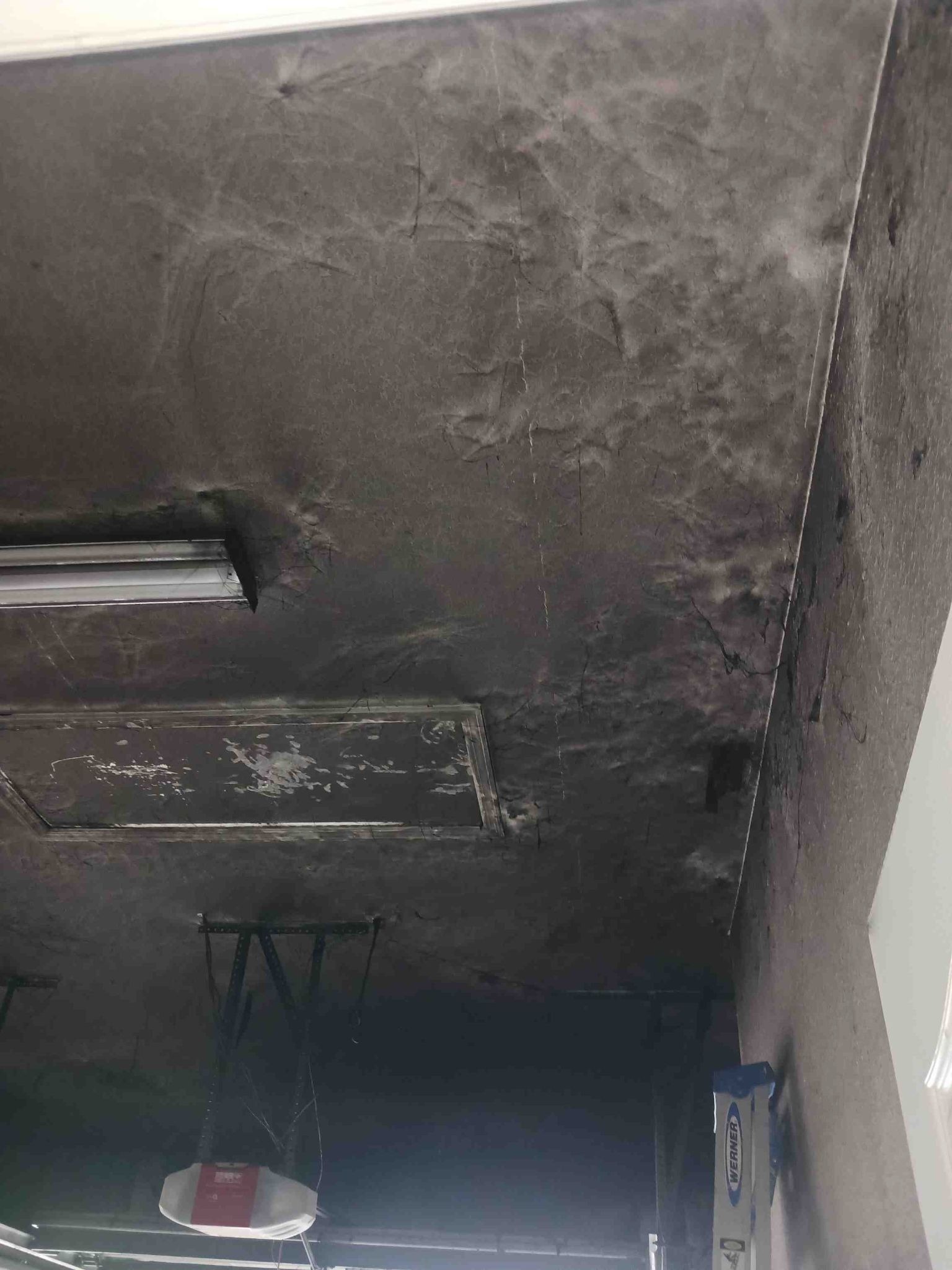
Smoke is the visible vapor and gases produced by burning materials, while soot is the black or brown powdery residue made up of fine particles. After a fire, smoke can travel far from its origin, penetrating walls, ceilings, HVAC systems, and personal belongings. Soot, meanwhile, is left to settle on surfaces, often staining and corroding the items and structures it comes into contact with.
How Smoke and Soot Damage Occur
Smoke and soot damage can begin in just a few minutes. The high humidity and heat common in Florida mean that smoke from even a small blaze quickly permeates soft furnishings, drywall, and insulation. As residue settles, it bonds chemically to a wide range of materials, which can:
-
Cause persistent odors that are difficult to remove
-
Corrode metals and damage electronics
-
Discolor walls, ceilings, and fabrics
-
Destroy paper documents, artwork, and photographs
The longer these contaminants remain, the greater the damage. In coastal communities like Tampa, the salty air can further amplify the corrosive effects of soot and smoke, making fast cleanup essential.
Health Risks Associated with Smoke and Soot
Breathing in smoke particles or soot residue can have serious health consequences. Fine particulate matter from smoke can irritate the respiratory system, causing coughing, shortness of breath, and aggravating conditions like asthma or bronchitis. Soot is especially dangerous, carrying toxic chemicals from burned plastics, synthetic fabrics, and other modern materials. Proper cleanup is vital to protect both building occupants and restoration professionals.
Professional Smoke and Soot Removal: Why It Matters
Cleaning up after a fire involves much more than surface cleaning. Porous materials like upholstery, curtains, and carpets trap smoke odor, while soot can seep beneath paint and into ductwork. Professional restoration companies utilize advanced methods and equipment for fire damage restoration:
-
Industrial-strength vacuums and air scrubbers filter out particles
-
Specially formulated agents break down odor molecules and lift stains
-
Thermal fogging and ozone treatments eliminate persistent smells
Attempting DIY cleanup without the proper tools or knowledge can worsen the problem, spreading contaminants or permanently setting stains. For effective and safe recovery, use only IICRC-certified restoration specialists.
Common Scenarios: Smoke and Soot Damage in Tampa
In the Tampa area, fires often stem from kitchen accidents, electrical malfunctions, or lightning strikes, particularly during the summer’s stormy season. Coastal winds can spread smoke to neighboring properties quickly, and year-round humidity means damage can worsen in just hours. Homeowners and businesses in Tampa frequently need services like smoke and odor removal as well as content cleaning and restoration to fully recover after an event.
Contact the Tampa Smoke and Soot Damage Experts
If your Tampa, FL home or business has suffered smoke or soot damage, don’t delay restoration. The highly trained team at Graystone Restoration provides comprehensive solutions tailored to Florida’s unique climate and property risks. Call us today at 813-931-1680 or complete our convenient online form to schedule an assessment or get help with your emergency.